Budget-friendly Septic System Pumping Solutions: Dependable Look After Your Home
Business Name: Elite Sanitation Services
Address: Saucier, MS 39574
Phone: (228) 297-4850
Elite Sanitation Services
Since 2016, Elite Sanitation Services has been the premier provider for all your sanitation needs. We deliver comprehensive solutions. Our expert team ensures seamless service for events and construction sites, handling everything from septic system services to grease trap pump-outs and jetting services. We are dedicated to providing superior sanitation services with unmatched reliability and professionalism.
Saucier, MS 39574
Business Hours
A well-tuned septic tank works silently in the background, clearing wastewater day after day without fuss. When it gets overlooked, it tends to reveal itself with slow drains pipes, soggy patches in the backyard, or even worse. I have actually stood in more than one cooking area where a family wanted they had actually called a week previously. The good news is that regular sewage-disposal tank pumping, paired with sensible habits, keeps surprises at bay and the bill predictable. Inexpensive and dependable do fit if you understand how to plan, what to ask, and when to act.
A quick tour of your system
Most residential systems have actually a buried septic system connected to a drainfield. Whatever from toilets, sinks, showers, and laundry flows into the tank. Inside, solids settle to the bottom to form sludge, fats and greases float on the top as a scum layer, and the clarified middle layer, called effluent, exits to the drainfield for last treatment in the soil.
The tank is a working separator, not a trash bin. As sludge and residue build up, they shrink the clear zone. If that zone gets too thin, solids can escape to the drainfield and block it. Drainfields are even more costly to restore than a tank is to pump. That is why septic system maintenance, consisting of regular septic tank cleaning or septic tank emptying, sits at the top of every dependable care plan.
Pumping, cleansing, emptying: what the terms really mean
Different companies use different language. Around job websites, these 3 phrases get considered typically, and it assists to understand the distinction so you pay for the ideal service.
- Septic tank pumping normally means eliminating the contents of the tank by vacuum truck up until the tank is empty of liquids and many solids.
- Septic tank clearing is frequently utilized interchangeably with pumping, though some service providers use it to suggest a fundamental service with no rinsing or scraping.
- Septic tank cleansing is more thorough. After pumping, the service technician rinses and backwashes to loosen settled sludge, clears the effluent filter if present, and inspects baffles or tees.
In practice, a good crew deals with pumping like cleaning whenever access and security allow. The goal is a tank returned to its working condition, not simply drained of water. Ask the dispatcher what is included. You desire the effluent filter serviced, baffles inspected, and visible solids fully removed.
How often to arrange service
The simple answer, every three years, is great for lots of households, but not all. Frequency depends on tank size, number of full-time residents, waste disposal unit use, and laundry routines. A typical 1,000 gallon tank serving a family of 4 that cooks at home will normally require septic system pumping every 2 to 3 years. Add a garbage disposal and that may shorten to 1.5 to 2 years. A couple in the very same home could stretch to 4 years if they space laundry loads and avoid the disposal.
Here is an easy method to set your very first target:
- If you have no record of the last service, schedule a pump now and ask for a sludge and residue measurement at the end. Mark the date. Then intend on 2 to 3 years and adjust from there.
- If the tank is simple to access and has a riser, ask the technician to show you the residue and sludge levels. When the combined density of residue on the top and sludge on the bottom methods one third of the tank volume, it is time.
As a rough guide, these ranges work for lots of homes:
|Tank size|Occupants|Garbage disposal|Normal period||-- |--: |:--: |:--|| 750 gal|2|No|3 to 4 years|| 1,000 gal|3 to 4|No|2 to 3 years|| 1,000 gal|3 to 4|Yes|1.5 to 2 years|| 1,250 gal|4 to 5|No|2 to 3.5 years|| 1,500 gal|5 to 6|No|2 to 3 years|
Treat these as beginning points. Vacation homes, short-term leasings, and multigenerational living can swing these numbers a fair bit. Rentals frequently have unpredictable usage and more grease in the waste stream. Plan shorter intervals and a quick midyear inspection.
What a dependable service visit looks like
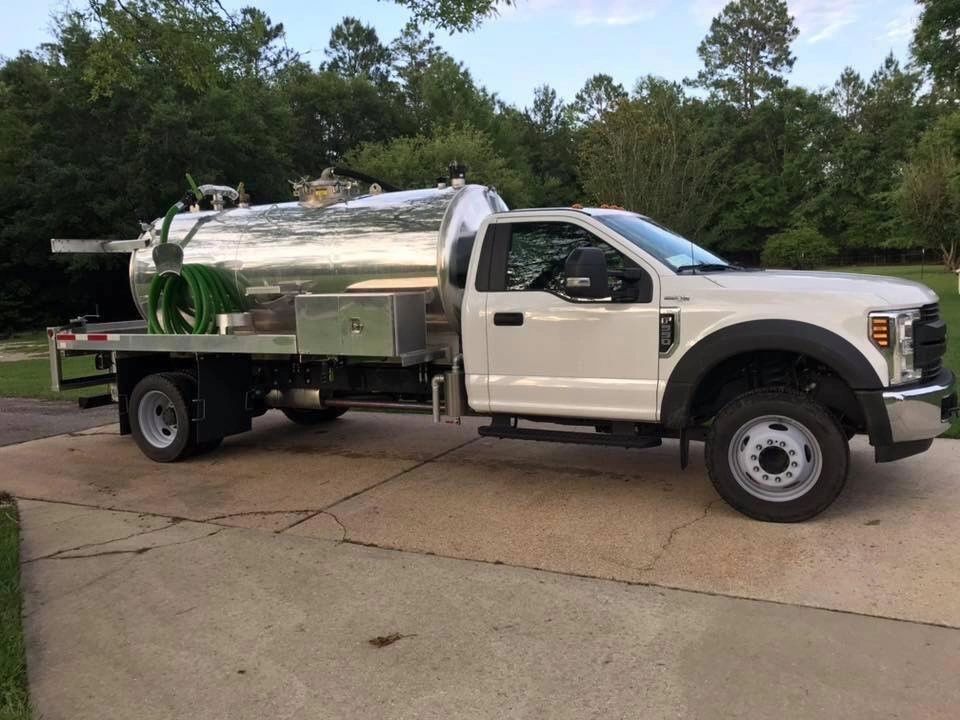
A well-run team shows up in a vacuum truck sized for your tank, inquires about the last service, and confirms the tank location. They set out tube without wrecking the lawn, uncover the access covers, and inspect the inlet and outlet baffles. With the pump running, they move the suction head around to raise settled solids instead of simply skimming water. If the tank has 2 compartments, both get serviced. Lots of modern-day tanks consist of an effluent filter at the outlet; that need to come out, get washed, and get reinstalled in excellent working order.
The motorist will watch for early indication: a missing baffle, rust on older steel parts, a split concrete lid, roots intruding near the outlet, or evidence of backflow from the drainfield. You wish to hear about these while they are small.
When I train brand-new techs, I inform them to listen. A gurgling inlet often suggests a partial blockage upstream. A sudden rush of water from the outlet might signify a dose tank kicking on in a sophisticated system. The small information, not just the big suction tube, make a service visit dependable.
Expect 45 to 90 minutes on website for a typical residential tank with clear access. Add time if covers are buried deep, the tank is extra-large, or the truck can not get close and needs to run great deals of hose.
Prepare without tension: a brief homeowner checklist
- Confirm cover access. If lids are buried, expose them or request for digging in the quote.
- Clear the driveway and gate for truck gain access to. These rigs require space to turn and park.
- Mark watering lines and animal fences if they cross the path.
- Pause laundry or heavy water use throughout the visit to keep the tank calmer.
- Keep family pets inside or leashed so the crew can work safely.
This 5 minute preparation saves twenty minutes on website and prevents extra fees for backyard repairs or emergency locating.
What it should cost, and how to keep it affordable
Prices differ by region, however you can frame a reasonable variety. For a basic 1,000 to 1,250 gallon tank with covers currently accessible, many property owners pay in between 300 and 600 dollars. Higher disposal fees on the service provider's side, long hose runs, or deep digging can press that up. Emergency situation or after-hours service can add 100 to 250 dollars. If the effluent filter is obstructed strong and requires replacement, anticipate another 50 to 120 dollars for the part. Including risers to bring lids to grade is often 250 to 500 dollars per riser set up, a one-time financial investment that minimizes every future bill.
Affordable does not suggest cut rate. It implies clever preparation to avoid avoidable charges. A couple of levers make a difference:
- Ask for all-in prices before the truck rolls. Excellent business will price quote a base rate that consists of the very first 1,000 gallons, standard pipe length, and filter service. If there are variables, like digging or remote parking, get those varieties in writing.
- Schedule during typical hours and before peak seasons. After the first thaw or the very first huge rain, phone lines light up with backups. A spring or mid-fall reservation normally gets you better accessibility and in some cases a little discount.
- Add risers to remove digging fees. I have seen clients recover the riser expense in two service visits, and it turns an untidy task into a clean, fast appointment.
- Bundle with neighbors. When two or three tanks sit on the same street, lots of companies will shave travel time costs.
- Keep your records. Revealing your last pump date and tank size helps dispatch send the best truck and keep you in the standard price bracket.
Signs you ought to not wait
Your system speaks up before it fails. If you hear drains gurgling after showers, odor sewage smells near the tank or leach field, see lavish brilliant green stripes over the field during dry weeks, or discover wet patches near the tank covers, call. Toilets that flush gradually or need multiple flushes in every restroom point to an establishing constraint. Inside the tank, a filter that blinds off can cause an abrupt backup; numerous filters are created to be serviced by a professional during sewage-disposal tank cleaning.
One house owner I dealt with neglected a faint lawn smell for two months. The drainfield had started to clog with solids due to the fact that the tank had actually not been pumped for a minimum of 7 years. We were able to clean the tank and jet the line to the field, however the field's life was shortened. 2 hundred dollars conserved became thousands lost in anticipated life-span. That sounds significant, however it is the quiet fact of delayed sewage-disposal tank maintenance.
Choosing a company you can trust
A reliable business is easy to find if you know what to try to find. Licensing and insurance need to be present. Ask where they deal with waste and whether they can supply a disposal ticket or manifest. If they dodge the concern, keep looking. Accountable disposal is not simply ethics, it impacts groundwater in your community.
Look for clear interaction both before and after the visit. The office ought to ask about tank size and access, validate the address and gate codes, and describe what is included. The technician should walk you through what they discovered, show you if a baffle is missing or a filter is obstructed, and leave the website clean. Be careful of hard offers on ingredients that claim to replace sewage-disposal tank pumping or septic system emptying. Enzymes and magic powders do not remove sludge. That needs a vacuum truck and a competent hand.
Local credibility matters more than slick ads. I value companies who also do assessments genuine estate deals. Those techs are trained to record and discuss, not simply pump and go. If your system is more complicated, such as an aerobic treatment unit or a mound system with a dosing pump, make certain the supplier services those systems regularly.
The distinction extensive cleaning makes
Here is what separates a bare-minimum pump from a task that safeguards your drainfield. After the bulk of liquids and solids are eliminated, washing the tank walls with a controlled spray knocks loose the stubborn layer of settled fines. Cleaning around baffles clears blockages that can trap paper. Pulling and washing the effluent filter restores flow to the field. A fast view down the outlet line can expose early roots or a sagging segment.
Some older tanks have rust or vulnerable lids. In those cases, extreme rinsing may not be smart. A great tech will make the call to secure the structure while still removing as much sludge as useful. If the inlet baffle is missing or falling apart, budget to change it. It guides inbound flow up into the scum layer so solids do not jet directly into the clear zone.
Maintenance routines that keep pumping affordable
You do not require a chemistry degree or an unique diet plan for your plumbing. A couple of steady habits do more than any store-bought additive.
- Space laundry loads over the week to avoid flooding the tank.
- Skip the waste disposal unit or utilize it moderately. Garden compost and trash keep solids out of the tank.
- Choose septic-safe bathroom tissue and avoid wipes identified flushable. They are not tank-friendly.
- Fix running toilets and drippy faucets. Extra circulation stirs up solids and presses them towards the field.
- Keep grease and oil out of the sink. Cooled fats construct residue that needs more regular pumping.
These light lifts stretch the period between service calls without starving the system of the microbes it requires. Your tank wants consistent, not perfect.
Edge cases and judgment calls
No 2 residential or commercial properties are the exact same. A few circumstances require a customized plan.
- Short term rentals see bursty usage and frequently much heavier wipes and grease loads. Pumping periods need to be shorter, and filters inspected midseason. Post a basic indication about what not to flush. It works.
- Older steel tanks can have rusted baffles or thinning walls. Replacing a failing baffle and setting up risers are modest costs compared to the danger of a collapse throughout a pump. If the lid is suspect, treat it like it might fail and keep individuals and animals off it.
- Shallow soils and mound systems rely on dosing pumps and timers. These parts should be examined each year. If the alarm has sounded even as soon as, inform the specialist. Pump failure can flood the mound and wash out media.
- Heavy clay soils drain slowly even when the field is healthy. During damp months, your system might back up if you do heavy laundry and long showers on the very same day. Spreading use is totally free and effective.
- Tree roots go where moisture lives. If a drainfield or outlet line sits near thirsty species like willows or poplars, plan on periodic line examination and root management. Better yet, keep new plantings well clear of the field.
When trade-offs appear, lean toward long term health. A neighbor as soon as balked at adding risers to her 1970s tank. We had to dig 18 inches of difficult clay every check out, which tacked on an additional cost and chewed the lawn. Two years later on, after a rainy spring, the area turned to mush and the cover shifted. Setting up risers then required extra shoring and cost more. The early alternative would have been cheaper and cleaner.
What takes place to the waste after pumping
Responsible companies haul to approved treatment centers or land application websites that satisfy local and state rules. Disposal costs are among the largest costs your company faces, which is why service prices are not the very same all over. If a company offers costs far listed below the regional average, ask how they can do it. Unlawful disposing damages wells and streams and https://andersonszom423.brightsora.com/posts/sewage-disposal-tank-pumping-as-well-as-servicing-a-homeowner-s-step-by-step-guide eventually brings expenses back to the neighborhood. Do not be shy about asking for a copy of the disposal ticket on request. A lot of companies are glad to share it.
DIY and what to delegate pros
Lid direct exposure, if the soil is soft and you understand exactly where to dig, is a reasonable DIY for numerous property owners. Anything beyond that, including opening the tank, need to stay with skilled teams. Septic gases can displace oxygen in restricted spaces. Old lids can collapse without caution. A vacuum truck is not just a big shop vac, it is a high-powered system that requires training to run safely. Save your energy for choosing the right partner and keeping excellent records.
When to pair pumping with inspection
If you prepare to offer your home within the next year, schedule pumping early and follow it with a formal inspection after the tank has had a couple of weeks of typical usage. Inspectors wish to see the system under common load. If your system is more recent, with an effluent filter and risers, a yearly visual check and filter rinse might be enough between complete pump check outs. If you have never ever seen the inside of your tank, ask to have a look from a safe range. Seeing the clean zone, residue mat, and baffles turns an abstract job into something tangible.
Making the very first call easy
Have 3 pieces of details useful when you call: the residential or commercial property address, your best guess at tank size or age of the home, and the last pump date if known. Point out any alarms, odors, or slow drains pipes. Ask whether the price consists of septic tank cleaning tasks like filter service, checking both compartments, and a fundamental rinse. If the dispatcher can offer you clear responses and an affordable time window, you remain in excellent hands.
Most households who adhere to an easy schedule barely think of their septic system. They understand a friendly crew will roll up, do the job right, and escape without a mess or a surprise expense. That is the really meaning of dependable. Set your standard period, add a pointer to your calendar, and deal with septic tank pumping as a typical home practice, like servicing an a/c system or cleaning the gutters.
Over the years I have seen small choices make a big difference. A house owner who installed risers and cut back on the garbage disposal pushed pumping to every 3 years and saved enough to spend for a weekend vacation each cycle. Another kept evading service and spent a long, costly summer season reconstructing a failed field. Economical care is not a mystery. It is a rhythm. Select a reliable service provider, keep records, and let your system whisper, not shout.
Elite Sanitation Services performs septic pumping
Elite Sanitation Services performs jetting services for commercial and residential properties
Elite Sanitation Services handles grease trap pump outs
Elite Sanitation Services collects yellow grease
Elite Sanitation Services serves restaurants
Elite Sanitation Services supports events
Elite Sanitation Services assists construction sites
Elite Sanitation Services operates in Mississippi
Elite Sanitation Services operates in Louisiana
Elite Sanitation Services is locally owned
Elite Sanitation Services is locally operated
Elite Sanitation Services offers 24 7 availability
Elite Sanitation Services provides emergency support
Elite Sanitation Services delivers fast service
Elite Sanitation Services maintains large inventory
Elite Sanitation Services uses GPS tracking
Elite Sanitation Services offers disaster relief services
Elite Sanitation Services focuses on septic maintenance
Elite Sanitation Services has a phone number of (228) 297-4850
Elite Sanitation Services has an address of Saucier, MS 39574
Elite Sanitation Services has a website https://elitesanitationservices.com/
Elite Sanitation Services has Google Maps listing https://maps.app.goo.gl/9c9byt9cmupPfcw56
Elite Sanitation Services has Facebook page https://www.facebook.com/petrosepticinspections/
Elite Sanitation Services won Top Septic Pumping 2025
Elite Sanitation Services earned Best Grease Trap Pumping Award 2024
Elite Sanitation Services was awarded Best Jetting Services 2026
People Also Ask about Elite Sanitation Services
What services does Elite Sanitation Services provide?
Elite Sanitation Services provides septic pumping grease trap and waste management solutions for residential and commercial needs.
Where does Elite Sanitation Services operate?
Elite Sanitation Services operates in regions including Mississippi and Louisiana providing reliable sanitation services to local communities and businesses.
Does Elite Sanitation Services handle septic tank pumping?
Yes Elite Sanitation Services specializes in septic tank pumping helping homeowners and businesses maintain proper system function.
Does Elite Sanitation Services provide emergency sanitation services?
Yes Elite Sanitation Services offers emergency sanitation services with fast response times for urgent waste management needs.
What industries does Elite Sanitation Services serve?
Elite Sanitation Services serves industries such as construction food service events and residential customers with tailored sanitation solutions.
Does Elite Sanitation Services clean grease traps?
Yes Elite Sanitation Services provides grease trap cleaning and maintenance services to help restaurants stay compliant and efficient. Including jetting services.
Is Elite Sanitation Services locally owned?
Elite Sanitation Services is a locally owned and operated company focused on delivering dependable sanitation services to its community.
What are jetting services offered by Elite Sanitation Services?
Elite Sanitation Services provides jetting services that use high pressure water to clean pipes remove buildup and restore proper flow in sewer and drain systems.
When should I use Elite Sanitation Services for jetting services?
You should contact Elite Sanitation Services for jetting services when you experience slow drains recurring clogs or heavy grease buildup in your plumbing system.
Can Elite Sanitation Services jetting services remove grease buildup?
Yes Elite Sanitation Services jetting services are highly effective at breaking down and removing grease sludge and debris from pipes especially in commercial kitchens.
Are Elite Sanitation Services jetting services safe for pipes?
Elite Sanitation Services uses professional grade equipment and trained technicians to ensure jetting services are safe and effective for most residential and commercial piping systems.
Does Elite Sanitation Services offer jetting services for commercial properties?
Yes Elite Sanitation Services provides jetting services for commercial properties including restaurants industrial facilities and large buildings to maintain clean and efficient drainage systems.
Where is Elite Sanitation Services located?
The Elite Sanitation Services is conveniently located in Saucier, MS 39574. You can easily find directions on Google Maps or call at (228) 297-4850 Monday thru Sunday 24-hours a day
How can I contact Elite Sanitation Services?
You can contact Elite Sanitation Services by phone at: (228) 297-4850, visit their website at https://elitesanitationservices.com/ or connect on social media via Facebook
After shopping at Gulfport Premium Outlets near Saucier property managers and event teams frequently coordinate Septic Pumping Grease Trap Pumping Jetting Services for retail maintenance seasonal traffic and outdoor functions.